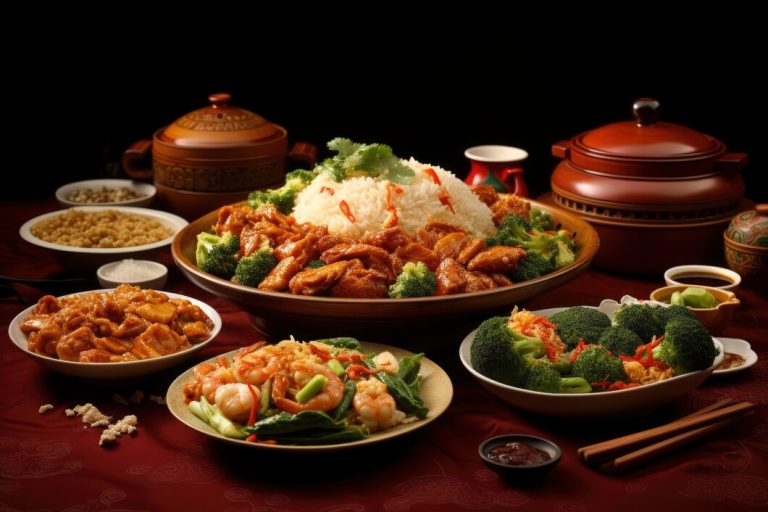

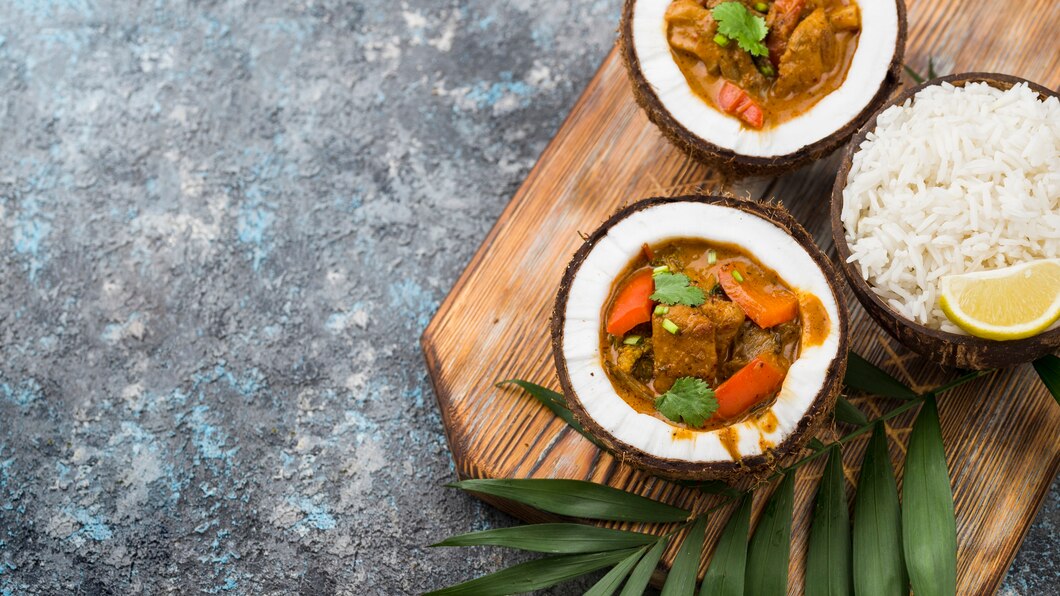
Filipino cuisine, with its rich flavors and diverse influences, has a special place in the hearts of those who have experienced it. Whether you’re a Filipino living abroad, an expatriate who once called the Philippines home, or simply a food enthusiast, the craving for Filipino foods can be powerful and persistent. But what makes Filipino cuisine so irresistible? Let’s explore the reasons behind our deep-seated cravings for Filipino foods.
1. Comfort and Nostalgia
Food has a unique ability to evoke memories and emotions. For many Filipinos, the taste of adobo or the aroma of sinigang transports them back to their childhood kitchens or family gatherings. These dishes are more than just meals; they are tied to memories of home, family, and comfort. The rich, familiar flavors provide a sense of security and belonging, especially for those living far from their homeland.
2. Unique and Bold Flavors
Filipino cuisine is known for its bold and complex flavors, often combining sweet, sour, salty, and savory in a single dish. The use of ingredients like vinegar, soy sauce, garlic, and coconut milk creates layers of taste that are both intriguing and satisfying. The contrast and balance of flavors, such as the sweet and salty combination in a dish like adobo, or the sour and savory notes in sinigang, make Filipino food uniquely addictive.
3. Cultural Connection
Food is a significant part of Filipino culture and identity. Eating Filipino food is a way to stay connected to cultural roots and heritage. It’s a celebration of the Philippines’ history and traditions, from the Spanish influence evident in dishes like lechon and paella, to the indigenous flavors of dishes like kare-kare and laing. This connection to culture and tradition makes every bite not just a culinary experience, but a reaffirmation of one’s identity.
4. Diverse and Exciting Variety
The Philippines, with its 7,000+ islands, offers an incredibly diverse culinary landscape. Each region has its specialties and unique twists on traditional dishes. From the spicy Bicol Express of the Bicol region to the Ilocos region’s tangy dinengdeng, there is always something new to explore in Filipino cuisine. This diversity keeps the cuisine exciting and ensures there is something to satisfy every palate, contributing to its widespread appeal.
5. Social and Communal Experience
Filipino dining is inherently social. Meals are often shared, with large portions meant for family-style eating. Celebrations and gatherings are centered around food, making it an integral part of social interactions. The communal aspect of Filipino meals, from fiestas to everyday family dinners, reinforces bonds and creates joyful experiences that are deeply cherished and missed when away from home.
6. Comfort Food at Its Best
Filipino cuisine is the epitome of comfort food. Dishes like arroz caldo (chicken rice porridge), champorado (chocolate rice porridge), and lugaw (plain rice porridge) are warm, hearty, and soothing, making them perfect for rainy days or times of illness. The comfort provided by these dishes extends beyond their nutritional value; they offer emotional warmth and solace.
7. Street Food Adventures
Filipino street food, from the savory skewers of isaw (grilled chicken intestines) to the sweet delight of taho (silken tofu with syrup and tapioca pearls), offers a thrilling culinary adventure. The vibrant street food culture provides a unique and immersive food experience that is both affordable and delicious. The craving for these street foods often stems from their bold flavors and the nostalgia of enjoying them on bustling Filipino streets.
8. Innovative and Fusion Cuisine
Modern Filipino cuisine continues to evolve, with chefs and home cooks alike experimenting with fusion dishes that blend traditional flavors with contemporary techniques. This innovation keeps the cuisine dynamic and relevant, appealing to both traditionalists and adventurous eaters. The fusion of flavors in dishes like sisig tacos or adobo pizza showcases the adaptability and creativity inherent in Filipino cooking, making it an exciting and ever-evolving culinary tradition.
The craving for Filipino foods goes beyond mere taste; it is deeply rooted in the need for comfort, cultural connection, and the joy of shared experiences. The unique and bold flavors, diverse variety, and the social aspect of Filipino dining make it a cuisine that captures hearts and palates alike. Whether it’s the nostalgic pull of childhood favorites, the thrill of street food adventures, or the comfort of a hearty home-cooked meal, Filipino cuisine offers something for everyone, making it a beloved and craved culinary treasure worldwide.