
The Philippines, an archipelago of more than 7,000 islands, boasts a vibrant and diverse culinary heritage. Filipino cuisine is a unique blend of indigenous traditions and various external influences, reflecting the country’s rich history and cultural diversity. From the simple to the extravagant, Filipino foods offer a feast for the senses, combining sweet, sour, and savory flavors in unexpected ways. Let’s embark on a culinary journey to explore some of the most beloved Filipino dishes.
1. Adobo: The Quintessential Filipino Dish
Adobo is often considered the national dish of the Philippines. This savory and tangy stew is typically made with pork or chicken, marinated in a mixture of vinegar, soy sauce, garlic, bay leaves, and black peppercorns. It is then simmered until tender and flavorful. Each region has its variation, with some adding coconut milk or annatto for a different twist. Adobo’s versatility and robust flavors make it a staple in every Filipino household.
2. Sinigang: A Symphony of Sourness
Sinigang is a sour soup traditionally made with pork, shrimp, or fish, and a variety of vegetables like kangkong (water spinach), radish, eggplant, and okra. The distinct sourness of sinigang comes from tamarind, although other souring agents like green mango, calamansi, or santol can also be used. This dish epitomizes the Filipino palate’s love for sour flavors and is perfect for rainy days.
3. Lechon: A Celebration Centerpiece
Lechon, or roasted pig, is a must-have at Filipino celebrations and feasts. The whole pig is seasoned, skewered, and roasted over an open fire until the skin becomes crispy and the meat tender. Lechon is often served with a liver-based sauce or a simple mix of vinegar and garlic. In Cebu, a region renowned for its lechon, the seasoning is placed inside the pig, resulting in a distinct flavor.
4. Kare-Kare: A Comforting Peanut Stew
Kare-kare is a rich and hearty stew made with oxtail, tripe, and vegetables such as eggplant, banana blossoms, and string beans. The dish is characterized by its thick peanut sauce and is usually served with bagoong (fermented shrimp paste) on the side. The creamy, nutty flavor of kare-kare makes it a comforting favorite among Filipinos.
5. Halo-Halo: A Delightful Dessert
Halo-halo, which means “mix-mix” in Filipino, is a popular cold dessert that perfectly encapsulates the Filipino love for mixing flavors and textures. This colorful concoction includes shaved ice, sweetened beans, jellies, fruits like jackfruit and banana, and is topped with leche flan, ube (purple yam) jam, and a scoop of ice cream. Evaporated milk is poured over the mixture before serving, creating a refreshing and delightful treat, especially in the tropical heat.
6. Lumpia: Filipino Spring Rolls
Lumpia are Filipino spring rolls that come in various forms, from fresh (lumpiang sariwa) to fried (lumpiang shanghai). Lumpiang shanghai, filled with ground pork, carrots, and onions, is a popular choice for parties and gatherings. These crispy, bite-sized rolls are typically served with a sweet and sour dipping sauce.
7. Balut: A Unique Street Food
Balut is a fertilized duck egg with a partially developed embryo, boiled and eaten from the shell. While it might be an acquired taste for some, it is a beloved street food in the Philippines, often enjoyed with a pinch of salt or a dash of vinegar. Balut is said to be nutritious and is also believed to be an aphrodisiac.
8. Bicol Express: A Spicy Sensation
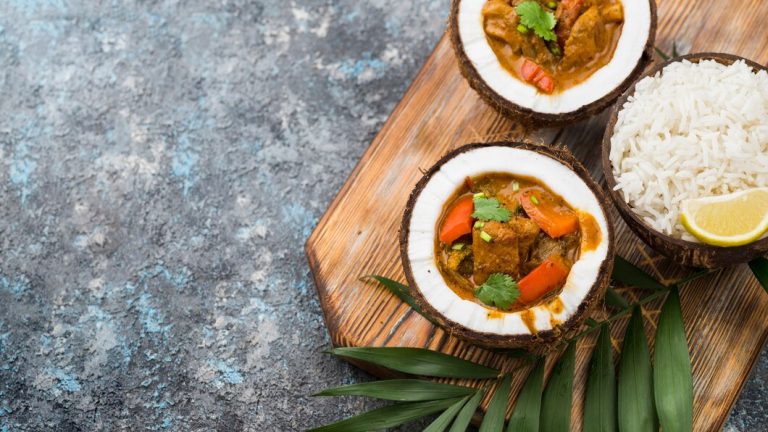
Originating from the Bicol region, known for its spicy cuisine, Bicol Express is a stew made with pork, coconut milk, shrimp paste, and a generous amount of chili peppers. The creamy coconut milk tempers the heat of the chilies, creating a deliciously spicy and savory dish that pairs perfectly with steamed rice.
9. Pancit: Noodles for Long Life
Pancit, or noodles, is an integral part of Filipino celebrations, symbolizing long life and good health. There are many variations, but two of the most popular are Pancit Canton, stir-fried egg noodles with meat and vegetables, and Pancit Malabon, thick rice noodles topped with a flavorful seafood sauce and an array of toppings like shrimp, boiled eggs, and chicharron (pork cracklings).
10. Bibingka: A Festive Rice Cake
Bibingka is a traditional Filipino rice cake, often enjoyed during the Christmas season. Made from rice flour, coconut milk, and sugar, it is baked in clay pots lined with banana leaves, giving it a distinctive flavor and aroma. Bibingka is typically topped with salted egg, cheese, and grated coconut, making it a delightful blend of sweet and savory.
Filipino cuisine is a testament to the country’s rich cultural tapestry, showcasing a wide array of flavors and cooking techniques. Whether you’re indulging in the comforting warmth of sinigang or the celebratory feast of lechon, each dish tells a story of the Philippines’ history, traditions, and the Filipino people’s ingenuity in the kitchen. Exploring Filipino foods is not just a culinary adventure but also a cultural experience that brings people together, celebrating the heart and soul of the Philippines.